
Menopause refers to permanent cessation of menstruation after 1 year of complete absence of the menses. Perimenopause refer to 2-8 years before cessation of menstruation during which ovulation and menses become irregular as the result of natural decline in hormonal levels (Estrogen and progesterone). Elevated Follicle stimulating hormone (FSH) level of over 30 mIU/L and estradiol less than 30pg/mL levels on two consecutive months is indicative of menopause.
The menopausal transition includes three main stages:
- Perimenopause: starts 2-8 years before menopause, there are two stages of perimenopause, early transition characterized by few irregularities in menstrual cycles, and late transition with more than 60 days absence of menstruation
- Menopause: Menopause officially occurs after 12 consecutive months of having no menstrual period, the average age at which people experience menopause is 52, but the transition commonly occurs between the ages of 45 to 58 years old.
- post-menopause: post-menopause, which refers to the period after menopause, is characterized by the absence of menstruation and the inability to become pregnant. Although the body no longer menstruates during this time, menopausal symptoms such as hot flashes, trouble sleeping, and vaginal dryness may persist. Low estrogen and progesterone levels may also be associated with certain health risks during this time, such as osteoporosis, stroke, and heart disease. Vaginal bleeding during post-menopause could be sign of serious health problems and need medical intervention.
Premature Menopause: When menopause occurs before the age of 40, it’s considered premature menopause, and if it occurs between the ages of 40 to 45, it’s considered early menopause. Menstruating people who were never pregnant may experience menopause earlier than people who were pregnant more than once.
Menopausal symptoms include:
- Changes in menstrual periods
- Changes in arousal, decreased interest in sex (libido), and/or difficulty achieving orgasms
- Difficulty maintaining bladder control
- Poor Memory/ brain fog
- Headaches or migraines
- Hot flashes
- Insomnia and sleep disturbances
- Irregular heart beat
- Joint pain
- Mood changes/Anxiety
- Night sweats
- Pain during sex
- Skin flushing
- Vaginal dryness
- Weight gain
Menopausal symptoms may vary from person to person and number of factors can influence the severity of the symptoms:
- Activity level: research has shown women with high to moderate physical activity level experience less severe menopausal symptoms compare to inactive women.
- Body Mass Index (BMI): Research has shown that Underweight women had over twice the risk of experiencing early menopause, while overweight and obese women had over 50% higher risk of experiencing late menopause. longitudinal studies suggest that women with higher BMI or body fat have a higher risk of vasomotor symptoms (hot flashes) and other menopausal symptoms.
- History of Anxiety and Depression: Menopause increases vulnerability to depression and anxiety, perhaps via estrogen fluctuations affecting serotonin and GABA, research has shown women with history of anxiety and depression report more severe symptoms during menopause.
- Medications: cancer treatment medications such as tamoxifen and other aromatase inhibitors worsen menopausal symptoms, other drugs that can trigger or exacerbate symptoms include antidepressants(like venlafaxine, paroxetine, and citalopram), GnRH analogues used for “chemical menopause,” and certain pain management medications.
- Smoking: research has shown that smoking not only can cause early menopause, it also can worsen menopause symptoms.
Potential complication of Menopause
Cardiovascular disease
Although menopause doesn’t cause CVD, studies continue to investigate the relationship between the menopausal transition and the associated increased CVD risk.
Age at the time of menopause: Women who reach menopause before age 45 have a significantly higher risk of coronary heart disease. Coronary heart disease results from plaque buildup in the arteries.
Estrogen levels: Estrogen is a hormone that helps regulate the menstrual cycle. Estrogen also protects against CHD by regulating cholesterol levels and the buildup of plaque in artery walls of the heart. When estrogen levels decrease during the menopausal transition, an increased risk of developing CHD (coronary heart disease) or a stroke from the build-up of plaque in the arteries is possible.
Hot flashes and night sweats: Hot flashes and night sweats are the most common menopause-related symptoms and can last up to 10 years. They also are associated with worse cardiovascular disease risk factor levels.
Depression and Insomnia: one of the main symptoms of menopause is depression and insomnia, studies have found a link between depression and Insomnia and heart failure.
Increased visceral fat: Menopause increases visceral fat due to a sharp decline in estrogen and progesterone, which shifts fat from beneath the skin to deep within the abdomen where it surrounds organs. This change is linked to a higher risk of cardiovascular disease and type 2 diabetes.
Osteoarthritis
Estrogen has a relevant role in maintaining the homeostasis of articular tissues and, hence, of the joint itself, a sharp drop of estrogen during menopause makes women more susceptible to break down of cartilage in the joint and increase inflammation of the joint.
Urinary Incontinence
A decrease in estrogen levels may weaken the urethra and contribute to urinary incontinence.
Oral Issues
Changes in hormone levels during and after the menopausal transition may lead to oral issues such as pain and inflammation of the gums (gingivitis), an increased risk of cavities, and a decrease in saliva production which can lead to a dry mouth and cavities.
How to feel your best during menopause transition
Diet: Studies evaluating diet quality as it relates to menopause indicate an association between a higher intake of vegetables, unprocessed foods, and whole grains, and a lower intensity of sleep disorders as well as mood changes, hot flashes, bladder issues, and physical symptoms such as pain during menopause. Intake of highly processed foods (e.g., fast food, convenience foods), saturated fats (e.g., red meat, butter), and sugars had also been associated with increased intensity of these symptoms. You can follow Healthy Eating Plate as a guide to customize your diet.
Exercise: The U.S. Department of Health and Human Services recommends that adults and older adults do at least 150 minutes of physical activity per week, spread throughout the week. Exercises can include aerobic exercises ( brisk walks/swimming), balance exercise * yoga), resistant exercise (weight training), and Tai Chi.
Sleep: Hormonal fluctuations can cause insomnia, the mechanism include:
- Drop of estrogen during menopause reduces body’s ability to regulate temperature causing night sweats which interferes with sleep. Estrogen also supports serotonin production which supports mood and sleep.
- Progesterone has a natural sedative effect, during menopause progesterone levels drop which contributes to insomnia,
- Cortisol level increases during menopause, having a higher cortisol level at night time worsen insomnia symptoms.
Sleep hygiene practices can help with better quality sleep:
- Avoid or limit substance use: Substances such as alcohol, caffeine, cannabis, and nicotine are all known to disrupt sleep and should be minimized or avoided, especially close to bedtime.
- Create an environment suitable for sleep: Light exposure and noise can disrupt sleep and keep you awake. Using blackout curtains, a sleep mask, or sound-masking strategies such as a white noise machine can prevent unnecessary light and noise from disrupting your sleep. Keeping your room at a comfortable temperature can also help improve sleep.
- Exercise regularly: Engaging in regular physical activity can help improve your sleep.
- Have a consistent bedtime and wake-up time: Inconsistent sleep and wake times can disrupt your circadian rhythm, the daily patterns of sleep and wakefulness in your body.
- Minimize blue light exposure
- Exposure to blue light from computers, phones, and TV screens near bedtime may prevent your body from producing adequate melatonin. Minimizing screen use close to bedtime or using blue-light-blocking glasses may help to minimize the effects of blue light.
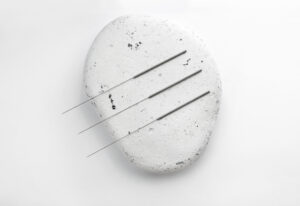
Acupuncture for Menopause:
- In a meta-analysis that reported on the frequency or severity of hot flashes, menopause-related symptoms assessed using the Menopause Rating Scale (MRS), and quality of life (QoL) assessed using the Menopause-Specific Quality of Life (MSQoL) questionnaire were included. Twelve studies with a total of 869 participants met the inclusion criteria and were included in the final analysis. The researchers found that acupuncture significantly reduced the frequency and severity of hot flashes.
- Acupuncture is effective in treating insomnia, studies have shown that acupuncture can Improve sleep quality: increased in sleep time, sleep efficiency and lower awakenings. Acupuncture can Reduce waking in the night, improve sleep quality, and Increase total sleep time: acupuncture was significantly associated with improvements in several objective sleep parameters (increases in total sleep time and sleep efficiency, and reductions in wake after sleep onset and number of awakening times) as well as subjective sleep quantity and quality in patients with Insomnia
- A study looked at depression among menopausal women suffering from vasomotor symptoms (hot flashes and night sweats). The study showed acupuncture group had significantly higher reduction in BDI than the non-acupuncture group.
- Three studies measure remission rates in patients who received acupuncture for anxiety and depression, Manber et al. (in the 2004 study) found significantly greater rates of remission at 10 weeks in patients who received depression specific acupuncture versus nonspecific acupuncture. Courbasson et al. found nonsignificant reduction in BDI at 1 and 3 months. Gallagher et al found rates of remission in patients with MDD treated with acupuncture similar to other treatments (i.e., psychopharmaceuticals, psychotherapy).
- Acupuncture has been shown to be effective in treating migraine headaches by providing pain relief, module serotonin levels in the brain, modulating extracranial and intracranial blood flow and reducing inflammation. A case report of migraine associated with menopause showed receiving acupuncture treatments twice a week for 3 months reduced both vasomotor symptoms and migraine intensity and frequency.
- A review of 10 randomized trial with 1456 participants showed that acupuncture is an effective treatment of pain and physical dysfunction associated with osteoarthritis of the knee.

Nutraceuticals and Herbal Medicine for Menopause:
- A meta-analysis of Nineteen randomized clinical trials involving 2469 participants measured the effectiveness of Chinese Herbal Medicine (CHM) compared to menopausal hormone therapy. CHM had similar effects to menopausal hormone therapy on total effectiveness rate, and could significantly reduce vasomotor symptom score and upper-body peripheral blood flow.
- Phytoestrogen: are a group of non-steroidal polyphenolic plant-based substances, commonly used for the treatment of menopause-related conditions. They have both genomic and non-genomic effects, displaying weak affinity for estrogen receptors (ER) and preferentially binding to ER-B (antiproliferative effect) over ER-A (proliferative). Long term use has been associated with a reduction in vasomotor symptoms of menopause. Phytoestrogens also appear to improve bone mineral density and markers of cardiovascular risk. There appear to be no harmful effects of phytoestrogens on breast, endometrial cancer or colorectal cancer and phytoestrogens intake may in fact be protective.
- Pycnogenol®: research has shown improvements. in vasomotor symptoms
- Hops: significantly reduces the frequency of hot flashes. Hops binds to both estrogen receptors and has a higher affinity to bind to ER-A (proliferative) and should be used with caution for estrogen sensitive cancers.
- Black cohosh: In women with menopausal symptoms taking black cohosh, improvement has been seen in symptoms such as hot flashes, night sweats, headaches, sleep disturbance, and mood swings. Black cohosh is not estrogenic, it may work by influencing neurotransmitters such as dopamine, serotonin, and GABA, which affect mood and pain response. Black cohosh appears to act as a selective estrogen receptor modulator (SERM), affecting estrogen receptors in hypothalamus which regulates body temperature.
- Fenugreek seed: Studies have shown a dosage of 250 mg × 2/day for 42 days significantly reduced the discomforts, especially vasomotor symptoms and depression.
- Vitex: research has shown the mean scores for total menopausal disorder, anxiety, and vasomotor dysfunction were significantly lower with participants taking Vitex.
Yarrow Holistic Center offers comprehensive holistic health services for menopausal health designed to support your wellness journey. Our expert practitioners provide:
- In‑person treatments including Acupuncture, Herbal Medicine, Nutraceuticals, and Functional Nutrition
- Telehealth consultations for Nutraceuticals, Herbal Medicine, Functional Nutrition, with a special focus on menopausal support.
We proudly serve clients across Indiana, Michigan, and California, helping women and men achieve balance, vitality, and long‑term health through personalized care.