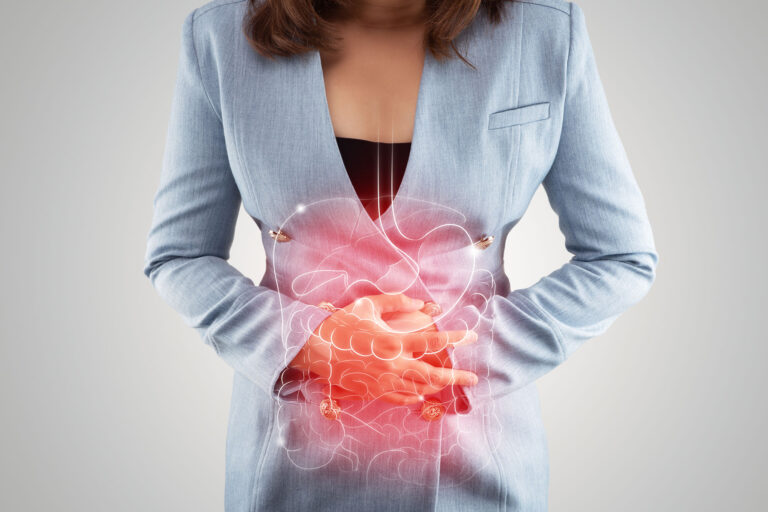
The health of reproductive system is very closely linked to the gut health, in order to optimize fertility outcome, ensuring healthy gut is essential.
The gut also contains the largest number of neurons outside the brain of any structure in the body — more than 100 million neurons line the human digestive tract, from the esophagus to the anus. These cells make up what is known as the enteric nervous system, which some scientists refer to as a “second brain.” The cells in the enteric nervous system constantly communicate with each other helping with peristalsis (contraction of smooth muscles in the gut) to move the food through the digestive track.
Healthy digestive system is essential for optimal reproductive health. The bacteria in the gut and their optimal balance highly influence fertility by affecting hormonal balance, inflammation, immune response, nutrient absorption and detoxification and emotional health.
-
Gut and Estrogen
Estrobolome is a collection of bacteria and enzymes in the gastrointestinal tract that play a role in the metabolism of estrogen. It modulates estrogen levels by:
- Estrogen is metabolized in the liver and becomes conjugated (inactive form) and is moved to the intestine via bile.
- Estrobolome in the intestine release an enzyme called beta-glucuronidase (β-glucuronidase) which deconjugate estrogen and convert it into a biological active form which is reabsorbed in the body.
- If there is dysbiosis (Imbalance composition of gut bacteria), this will lead to either an excess estrogen level (estrogen dominance) or lowers estrogen level which can impact secondary causes of infertility such as endometriosis, PCOS, infertility due to hormonal imbalance, cyclic breast pain, PMS and dysmenorrhea.
-
Serotonin and Gut
Approximately 90% of body’s serotonin is produced in the gut by enterochromaffin cells, optimal serotonin production and release in the gut requires a balance microbiome. Serotonin action are:
- It modulates Gonadotrophin releasing hormone (GnRH) release, which affect follicular maturation and ovulation.
- It promotes peristalsis by promoting the contraction of smooth muscles in the gut and prevent constipation
- Elevated Serotonin levels can activate immune cells, such as dendritic cells and T cells, prompting them to release pro-inflammatory cytokines that lead to tissue damage.
- Elevated Serotonin level can inhibit autophagy (a process that clears out damage cells) which leads to gut inflammation
- Serotonin can alter the composition of the gut microbiota, which is essential for gut health, and gut microbiome can affect the production and function of serotonin in the gut.
-
Gut Health, immunity and fertility
A healthy gut contributes to approximately 70-80% of our immune system function. The gut-associated lymphoid tissue (GALT) acts as the immune system’s first line of defense against pathogens in the digestive system, identifying and neutralizing threats while also promoting tolerance to harmless substances like food and beneficial gut bacteria. Dysbiosis has a negative impact in the GALT system leading to, over-active immune response, chronic inflammation, increased autoimmune and allergic responses. All these can impact fertility by causing unexplained infertility, implantation failure and recurrent pregnancy loss.
-
Nutrient Absorption
Malnutrition may manifest as either obesity or undernutrition. Accumulating evidence suggests that the gut microbiota plays an important role in the harvest, storage, and expenditure of energy obtained from the diet. Gut microbiome is essential in absorption the bioavailability of vitamins (such as A, B, C, D, E, and K) and minerals (calcium, iron, zinc, magnesium, and phosphorous). These vitamins and minerals are important for oocyte maturation, fertilization and the health of developing embryo.
-
Gut health and inflammation
About 85% of carbohydrates, 66%–95% of proteins, and all fats are absorbed before entering the large intestine. The indigestible carbohydrates and proteins that the colon receives represent from 10%–30% of the total ingested energy and, without the activity of the colonic microbiota, would generally be eliminated via the stool without further absorption because the human large intestine has limited digestive capability. In the colon, microorganisms ferment starch (including resistant starch), unabsorbed sugars, cellulosic and non-cellulosic polysaccharides, and mucins into short-chain fatty acids (SCFAs) such as butyrate. Butyrate is essential in keeping the intestinal tight junction healthy and functional.
A diet poor in fiber and resistant starch causes low Butyrate production and compromises intestinal integrity and increases intestinal permeability (leaky gut), this will lead to bacterial endotoxins like lipopolysaccharide (LPS) enter the blood stream and trigger systemic chronic inflammation, disrupting ovarian function and egg development. Chronic inflammation can cause oxidative stress in the reproductive system and potentially damaging ovarian follicles. Research has shown elevated inflammatory makers and gut dysbiosis and leaky gut in women with unexplained infertility.
-
Vaginal Microbiome and gut health
The gut and genital tract microbiota of females represent very complex biological ecosystems that are in continuous communication with each other. The crosstalk between these two ecosystems impacts host physiological, immunological and metabolic homeostasis and vice versa. The normal vaginal pH is slightly acidic, ranging from 3.8 to 4.5. This acidic environment helps to maintain a healthy balance of bacteria in the vagina, preventing the growth of harmful pathogens. Gut dysbiosis can alter vaginal microbiome causing an increase in Vaginal PH which can lead to vaginal infections.
-
Gut Microbiome and Anxiety
Through direct signals from the vagus nerve, which connects the brain and the gut, as well as through molecules secreted into the bloodstream from our gut microbes and immune cells that traffic from the gut to the rest of the body, our brains and our digestive tracts are in constant communication. Our emotional state can affect our gut health and the gut health can impact our emotional state. Research has shown that gut health has a direct effect on Anxiety, Depression, and motivation.
How to improve gut microbiome:
-
Remove foods that trigger bacterial overgrowth:
- Sugar: diets high in sugar usually lack nutrient that is good for gut flora, sugar alter the microbiome by favoring the growth of unwanted species of bacteria that contribute to chronic inflammation, weight struggles, and leaky gut.
- Alcohol: Alcohol has a negative impact on estrobolome and it can change the way a woman’s body metabolizes estrogen (how estrogen works in the body). This can cause blood estrogen levels to rise resulting in estrogen dominance.
- Ultra processed food: A diet high in ultra-processed foods (UPFs) negatively impacts the gut microbiome by reducing beneficial bacteria, increasing harmful bacteria, causing inflammation, and causing leaky gut.
- Environmental pollutant: Pesticides, herbicides, and a number of environmental chemicals negatively shift the microbiome and they also act directly as endocrine disruptors.
-
Feed your Flora:
- Eat variety of plant-based foods in different colors, this ensure you are getting variety of micronutrients, phytochemicals, fibers and starches that are important for gut health.
- Eat more plant-based fiber: As mentioned earlier the insoluble fiber in plants once fermented in large intestine will form short chain fatty acid such as butyrate which is essential for intestinal integrity. Fiber from plant sources, particularly leafy greens in the Brassicaceafamily like broccoli, cabbages, kale, Brussels’s sprouts, cauliflower, and collards are high in fiber they also support detoxification and the elimination of harmful environmental estrogens and keep estrogen level balanced.
- Eat fermented foods, 2021 study showing that feeding people a diet high in fermented food increased the healthy diversity of their gut microbiome and lowered their overall levels of inflammation. High-fiber diets have also been shown to support a healthy gut microbiome.
-
Consider Chinese herbal medicine: only by consulting a herbalist
- Research has shown that some Chinese herbs have anti-microbial properties and can be effective in treating overgrowth of harmful bacteria in the gut.
- Many studies have demonstrated that traditional Chinese medicine herbal treatment can significantly alter the gut microbiota, encourage the growth of beneficial bacteria, prevent overgrowth of harmful bacteria, and help maintain a healthy intestinal environment by balancing the numbers of probiotic and pathogenic bacteria.
At Yarrow Holistic Center in West Lafayette, Indiana, we specialize in a comprehensive holistic approach to infertility treatment. Our services integrate functional nutrition, herbal medicine, nutraceuticals, and Chinese medicine dietary therapy to support reproductive health naturally.
Whether you’re seeking natural fertility solutions or exploring alternative medicine for infertility, our experienced practitioners offer personalized care both in-person and via telehealth across Indiana. We’re committed to helping individuals and couples restore balance, improve wellness, and enhance fertility through evidence-informed holistic practices.