
Infertility is usually defined as the inability of a couple to conceive even after 1 year of unprotected, frequent sexual intercourse. The male is solely responsible in about 20% of cases and is a contributing factor in another 30% to 40% of all infertility cases. As male and female cause often co-exist, it is essential that both partners are investigated for infertility and managed together. Overall, the male factor substantially contributes to about 50% of all cases of infertility.
There are multiple causes for male infertility, which can be broadly classified due to their general underlying etiology.
- Endocrine disorders (usually due to hypogonadism) estimated at 2% to 5% of cases
- Sperm transport disorders (such as vasectomy) at 5%
- Primary testicular defects (which include abnormal sperm parameters without any identifiable cause) at 65% to 80%
- Idiopathic (where an infertile male has normal sperm and semen parameters) at 10% to 20%.
Specific etiology of male infertility include:
- Acquired urogenital abnormalities – bilateral obstruction or ligation of the vas deferens, bilateral orchiectomy, epididymitis, TURP, varicoceles, and retrograde ejaculation.
- Congenital urogenital abnormalities – absent, dysfunctional, or obstructed epididymis, congenital abnormalities of the vas deferens, undescended testes, and ejaculatory duct disorders (cysts).
- Endocrinological causes – congenital GnRH Deficiency (Kallmann syndrome), Prader-Willi syndrome, Laurence-Moon-Beidl syndrome, iron overload syndrome, familial cerebellar ataxia, head trauma, intracranial radiation, testosterone supplementation, and hyperthyroidism.
- Environmental toxins – insecticides, fungicides, pesticides, smoking, excess alcohol, Agent Orange, and other chemical exposures.
- Genetic causes – mutations of the cystic fibrosis transmembrane conductance regulator (CFTR) gene, primary ciliary dyskinesia, Kallmann syndrome, Klinefelter syndrome, Young syndrome, Sertoli cell-only syndrome, Kal- 1, Kal -2, FSH, LH, FGFS, GnRH1/GNRHR PROK2/PROK2R gene deficiencies, chromosomal anomalies, Y chromosome microdeletion, AR mutations, and gr/gr deletion.
- Idiopathic causes – idiopathic male infertility (10% to 20%) where semen parameters are all normal, but the male remains infertile.
- Immunological causes – lymphocytic hypophysitis, hemosiderosis, hemochromatosis, sarcoidosis, histiocytosis, tuberculosis, and fungal infections.
- Malignancies – sellar masses, pituitary macroadenomas, craniopharyngiomas, and surgical or radiation treatment for these conditions, testicular tumors, and adrenal tumors leading to an excess of androgens.
- Medications or drugs – cannabinoids, opioids, psychotropic drugs that can cause inhibition of GnRH, exogenous testosterone or androgenic steroids supplementation, GnRH analogs and antagonists used in prostatic carcinoma, chronic glucocorticoid therapy, alkylating agents, antiandrogens, ketoconazole, cimetidine, and alpha-blocker medications for BPH. A complete list of potentially toxic drugs can be found at https://reprotox.org.
- Sexual dysfunction – premature ejaculation, anejaculation, infrequent sexual intercourse, and erectile dysfunction.
- Urogenital tract infections – Gonococci, chlamydia, syphilis, tuberculosis, recurrent urogenital infections, prostatitis, and recurrent prostate-vesiculitis.
Male infertility can also be classified based on the medical interventions that can potentially assist conception as follows:
- Treatable causes of male infertility are found in 18% of cases – obstructive azoospermia, ejaculatory duct and prostatic midline cysts, gonadotropin deficiency, sexual function disorders, sperm autoimmunity, varicoceles, and reversible effects of toxins.
- Uncorrectable male infertility or subfertility is found in 70% of cases – oligozoospermia (low sperm count), asthenozoospermia (reduced sperm motility), teratozoospermia (abnormal morphology), and normospermia with functional defects. ART will generally be necessary for reproduction.
- Untreatable male sterility is seen in 12% of cases – primary seminiferous tubular failure, Sertoli cell-only syndrome, and bilateral orchiectomy.
Normal Semen analysis:
- Volume: >1.5 mL
- pH: >7.2
- Total sperm number: 39 million sperm per ejaculate or more
- Morphology: >4% normal forms using the Tygerberg method
- Vitality: >58% live sperm
- Progressive motility: >32%
- Total (progressive motility and nonprogressive motility): >40%
- No sperm agglutination
- Viscosity: <2 cm after liquefaction
- Optional investigations:
- Mixed antiglobulin reaction test with <50% motile spermatozoa with bound particles
- Immunobead test with <50% motile spermatozoa with bound beads
- Seminal fructose: >13 mcmol per ejaculate
- Seminal zinc: >2.4 mcmol per ejaculate
- Seminal neutral glucosidase: <20 mU per ejaculate
Oxidative Stress and Its role in Male Infertility
Reactive oxidative species (ROS) are a normal by product of producing energy in the mitochondria due to cellular metabolism. Sperm cells much like oocytes contain a lot of mitochondria to provide cellular energy for miosis. The problem arises in some individuals when there is an imbalance of generating ROS and the antioxidant capacity of the individual, this imbalance causes oxidative stress (OS) and negatively affects several components of the make reproductive function.
Mechanism of ROS mediated male infertility:
- Sperm DNA fragmentation: damage or break down of the DNA within Sperm cells
- Apoptosis of Spermatozoa: removal of damaged sperm
- Lipid peroxidation: oxidative degradation of Sperm cell membrane.
Endogenous sources of ROS:
- Leukocytes: White blood cells produced by prostates, major source of ROS, in causes of infection, they produce 100 times more ROS.
- Immature Sperm Cells: these cells not only have abnormal shape, they also have an abnormally high amount of ROS
- Infections, inflammatory conditions and autoimmune issues: Genitourinary tract infections such as prostatitis can cause an acute inflammatory response and by promoting Leukocyte influx and an increase in ROS production. Bacterial infection of the prostate, viral infections such as Herpes, HIV, and Hepatitis B and C as well as abacterial prostatitis can also trigger release of ROS generating Leukocytes.
- Varicocele and Cryptorchism: the optimal temperature for Sperm production is about 2-3 degrees cooler than the body temperature. Varicoceles is a condition with abnormal dilation of the Venous Plexus which leads to testicular hyperthermia and hypoxia, both generate ROS which negatively impacts sperm DNA integrity. Cryptorchism (undescended testicle) impairs Spermatogenesis and an increase in ROS and a damage in sperm DAN integrity.
- Diabetes and Hyperhomocysteinemia: Diabestes has a negative impact in spermatogenesis and leads to OS (oxidative species) induced sperm DNA fragmentation, and had a negative impact on sperm quality, such as sperm motility, sperm DNA integrity. A low dietary folate intake and/or a defect in MTHFR gene can elevate the risk for homocysteine induced OS. Low folate in diet also have a negative impact in Sperm production
Exogenous sources of ROS:
- Radiation: Mobile phone radiation increases ROS production in the Seminal plasma and has a negative impact in Sperm motility, count and vitality.
- Smoking: tobacco smoking leads to reduced semen quality including semen volume, sperm density, motility, viability, and normal morphology in smokers. Furthermore, reproductive hormone system disorders, dysfunction of spermatogenesis, sperm maturation process, and impaired spermatozoa function have also been observed in smokers. Some chemicals in Cigarettes have shown to cause an imbalance between ROS and anti-oxidants causing an elevated ROS.
- Alcohol: It can interfere with FSH and LH secretion from picturality gland which are essential hormones for sperm and testosterone production. In heavy alcohol drinkers (> 7 units per week) have an elevated estrogen level. It can cause an increase in ROS and negatively impact Sperm health and vitality. In a large Danish Study showed even moderate drinking ( less than 5 drinks per week) has a negative impact in Sperm count and morphology.
- Toxins: Endocrine disruptors can cause and increased production of ROS in the testicles and impair sperm production and morphology.
Holistic Treatment for male infertility or subfertility:
Holistic approach such as Acupuncture, Herbal Medicine, Functional Nutrition, and Nutraceuticals can successfully treat male infertility due to some endocrine dysfunction, environmental toxins exposure, idiopathic causes, immunological causes, medications or drugs, and sexual dysfunction.
Avoid/Limit:
- Meat and processed meat: rich in protein, but also contain xenoestrogens (XEs) have estrogenic effects and are suspected to be partially responsible for the decline in semen quality.
- Caffeine: high caffeine intake can cause a higher plasma level of testosterone, studies have shown this can disrupt endocrine system and have detrimental effect on the sperm.
- Sugar: high intake of sugar can cause insulin resistance which has negative impact in sperm health.
- Alcohol: Studies have shown habitual alcohol intake have a negative impact in sperm health
- Marijuana: The data shows. current or past marijuana users had more damaged sperm, lower sperm counts and reduced semen volume. A study showed that certain part of the marijuana compound (CBD) had affinity to latch or bind to receptors on the sperm’s structure, altering its shape and function, which can ultimately decrease fertility in men.
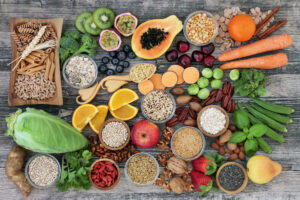
Nutraceuticals for Sperm Health
- Zinc: plays a curricula role in sperm capacitation , affecting the sperm ability to fertilize an oocyte. A meta-analysis of 17 studies to explore the relationship between seminal plasma zinc and male fertility. Researchers found zinc concentrations in seminal plasma to be positively associated with male fertility. Dietary source of Zinc include: Oysters and crabs, organ meat, beef, pork, chicken, eggs, soybeans, pine nuts, cashews, yogurt, pumpkin seed, sunflower seed, Brazil nuts, pecans and chickpeas. Note the animal source of Zinc is more bioavailable. Supplementations: Use Zinc picolinate (for better absorption) at 25-50mg/day. Use a supplement that has Zinc and Copper together since long term Zinc use can cause Copper deficiency.
- Selenium: plays a major role in glutathione activity and protect sperm cell against oxidative stress. A study with supplantation of 100 mcg for three months improved sperm motility and conception. Another study showed an Improvement of sperm motility concentration and morphology with intake if 200 mcg of selenium and 600 mg of NAC per day. Dietary sources of Selenium: Brazil nuts ( 2-3 per day), organ meats, seafood, sunflower seeds. Supplementation: 100-200 mcg/day. Do not take if diabetic since it can impact glycemic control.
- Coenzyme Q10 (CoQ10): it supports mitochondria to produce ATP, and serves directly as an antioxidant to combat ROS-mediated damage. In a study men who took 200mg of ubiquinol for 26 weeks showed improvement in sperm density, sperm motility and sperm morphology. In another study infertile men took 300 mg of CoQ10 for 26 weeks, the result showed an increase in sperm count, motility and morphology, and an increase in acrosome reacted sperm in ejaculate, which means the sperm is more likely to fertilize an oocyte. Dietary sources of CoQ10: human make Coq10 out of precursor amino acids (tyrosine, phenylalanine) and co-factors Vitamin B5 and B6. We also get it by eating meat, poultry and fish, highly quality oils, nuts, and seeds. It can be found in small amounts in vegetables such as broccoli, cauliflower and oranges. CoQ10 in diet is NOT enough for therapeutic doses, supplementation is highly recommended. Supplementation: Ubiquinol and Ubiquinone (CoQ10) forms are both fine, since it is converted in the body. For optimal absorption, 250-400 mg of emulsified ubiquinol or ubiquinone or 600-800mg in soft gel form.
- N-acetylcysteine (NAC): important antioxidant which scavenger free radicles and elevate glutathione level, it also helps to thin mucous levels. . A study with supplantation of 100 mcg for three months improved sperm motility and conception. Another study showed an Improvement of sperm motility concentration and morphology with intake if 200 mcg of selenium and 600 mg of NAC per day. Dietary sources: pork, beef, poultry Supplementation: 600-1000 mg.
- Alpha Lipoic acid (ALA): helpful antioxidant for sperm count and progressive motility. A study of men taking 600 mg of ALA for 12 weeks showed an improvement in sperm count, concentration and motility level and an improvement in total anti-oxidant capacity of semen. Dietary sources: body makes ALA, but it can be found in foods high in lysine such as organ meat, spinach, broccoli. Supplementation: 600 mg r-ALA
- Vitamins C, E, D and B vitamins: Vitamin C and E are both Anti-oxidants, taken together have increased pregnancy rates. A study has shown an improvement in sperm DNA fragmentation. Vitamin D: research has shown conflicting results in Vitamin D supplementation and semen parameters, but research has shown vitamin D deficiency negatively impact semen and hormone function. B vitamins: important for DNA synthesis, mitochondrial function, and amino acids and fatty acid synthesis. B9 has shown to have some benefits for sperm quality by influencing DNA integrity and the epigenome. Studies have shown supplementations of vitamin B12 on semen quality in primarily increasing sperm count and secondarily enhancing sperm motility and reducing sperm DNA damage. Vitamins B5 and B6 are important cofactors in enzymatic pathways, B2 is important for methylation and mitochondrial function. Supplement: Multivitamin with methylated forms of B vitamins.
- L-Carnitine: it helps with mitochondrial function, anti-oxidant activity, anti-apoptotic activity, research has shown that it can improve sperm motility. Dietary sources: meat, poultry, fish, dairy products, avocado, wheat, asparagus. Supplementation: L-carnitine works on peripheral tissues, and l-acetyl carnitine crosses blood/brain barrier as well and has more potent anti-oxidant effects. Both versions have shown to benefit sperm health at 3 gr/day.
- L-Arginine: helps growth hormone production which is essential for sperm production and formation and since it can produce nitrogen oxide ( a vasodilator) it can support blood flow in case of erectile dysfunction. Research has shown it can improve sperm motility and pregnancy rate in men with low sperm count.
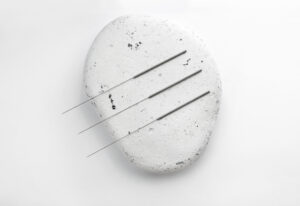
Acupuncture and male infertility
- Infertile men with sperm concentration of <1 million/ml, received acupuncture twice a week for 6 weeks. Result showed a significant higher percentage of motile sperm, but no change in concentration.
- Electro-acupuncture at 2 Hz showed a significant change in total sperm count and motility.
- 30 men with primary infertility and varicocele with normal hormonal level and abnormal semen analysis were randomized into two groups. One group underwent surgery to correct varicocele, the second group received acupuncture twice a week for two months. Both groups showed an increase in sperm concentration and motility and acupuncture group showed a higher sperm concentration.
- A review which included 14 studies has shown that Acupuncture with Moxa help male fertility by regulating hormone secretion, reducing inflammation, and improving semen parameters. Acupuncture can reduce inflammation and increase blood circulation and help sperm production.
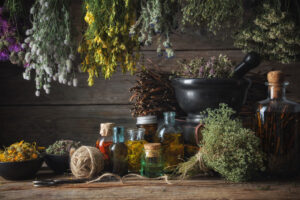
Chinese Herbal Medicine for male infertility
- Traditional Chinese medicine (TCM) herbs may represent a useful option for men with infertility . It has been demonstrated that TCM can regulate the hypothalamic-pituitary-testicular axis and boost the function of Sertoli cells (spermatogenesis) and Leydig cells (secrets testosterone).
- Studies have shown that Chinese Herbal medicine can also alleviate inflammation, prevent oxidative stress, reduce the DNA fragmentation index, and modulate the proliferation and apoptosis of germ cells. Furthermore, TCM can supply trace elements and vitamins, ameliorate the microcirculation of the testis, decrease the levels of serum anti-sperm antibody, and modify epigenetic markers.
- Low levels of FSH implies low sperm production, a study showed a combination of herbs Gou qi zi and Ren shen improve sperm production by increasing FSH and LH levels.
- Studies have shown herbal formula Wu Zi Yan Zong Wan can significantly elevate the semen volume and sperm density in infertility patients with low semen counts. Same formula has shown to improve the survival rate of Sertoli cells against oxidative stress.
- can increase testosterone biosynthesis by increasing the expression of the key steroidogenic enzyme.
At Yarrow Holistic Center in West Lafayette Indiana , we specialize in holistic treatments to enhance reproductive health and improve your chances of a healthy pregnancy. Our expert services include:
- Acupuncture for Fertility – Stimulate reproductive function and balance hormones
- Herbal Medicine – Customized herbal formulas to support male and female fertility
- Functional Nutrition – Personalized dietary plans to optimize fertility and overall wellness
- Nutraceutical Consultations – Evidence-based supplements to support reproductive health
Whether you’re navigating infertility or preparing for conception, our integrative approach helps both men and women achieve optimal reproductive outcomes.