Does Nutrition Impact Fertility?
Ground breaking Nurses’ study and complex carbohydrates along with fiber provide the body with essential vitamins, mineral, amino acids and fats to improve fertility. Vegetables and some fruits are a good source of polyphenols which are important antioxidants that are important in reducing oxidative cell damage. Foods high Vitamins B1, B2, B6, niacin, biotin, folic acid and pantothenic acid are improving mitochondrial function and energy production which are essential for follicular development, fertilization, embryo development and improve implantation. Vitamins C, E, niacin and folic acid belong indicates that various component of diet can affect ovulation and increase chances of getting pregnant. Also, a diet full of colorful vegetables, fruits, healthy fats, high quality proteins, and slow to effective scavengers of free radicals, prevent mitochondrial oxidants formation and mitochondrial aging. Proteins from diet contain amino acids which are the building blocks of female reproductive hormones, and dietary fat plays an important role in maintaining a balance hormone level.
How Nutrition Impacts Fertility?
Your diet can significantly influence fertility by improving:
- Hormonal balance
- Ovulation and egg quality
- Embryo development and implantation
- Mitochondrial health and energy production
Important Nutrients to boost your Fertility
Protein: The Foundation of Reproductive Hormones
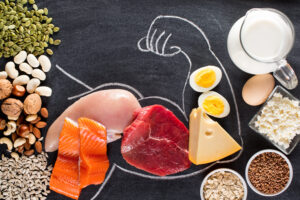
Protein is vital for follicular development and hormone production. Aim for:
- 0.8g per kg of body weight daily
- 25% of daily calories from protein
- 80–100g of high-quality protein per day
Animal-Based Protein Sources
| Food | Serving | Protein (g) |
| Lean Beef | 3 oz | 24 g |
| Chicken | 3 oz | 25 g |
| Turkey | 3 oz | 26 g |
| Eggs | 1 egg | 6 g |
| Salmon | 3 oz | 22 g |
| Milk (1%) | 1 cup | 8 g |
✅ Animal proteins are complete proteins with all essential amino acids.
Fish: Omega-3s for Fertility
Fatty fish like wild-caught salmon, herring, and trout are rich in omega-3s, which:
- Support brain and hormone development
- Reduce inflammation
- Improve egg quality
Choose fish with low mercury levels for safety.
Poultry, Eggs & Dairy
- Use organic, pasture-raised poultry and eggs
- Avoid cow’s milk due to casein-related inflammation
- opt for goat or sheep milk and cheese
- Include probiotic-rich foods like yogurt and kefir
Plant-Based Proteins: Nuts, Seeds & Grains
Vegetarians should combine nuts, legumes, and whole grains to get complete proteins.
🥜 Nuts & Seeds (per 30g raw)
| Food | Calories | Protein (g) |
| Peanuts | 170 | 7.7 g |
| Hemp Seeds | 158 | 7.4 g |
| Almonds | 174 | 6.3 g |
| Pumpkin Seeds | 134 | 5.6 g |
| Chia Seeds | 146 | 5 g |
🧊 Store raw nuts in the fridge or freezer to preserve freshness.
🌾 High-Protein Grains (per cup cooked)
| Grain | Calories | Protein (g) |
| Kamut | 227 | 9.8 g |
| Teff | 255 | 9.8 g |
| Quinoa | 222 | 8.1 g |
| Wild Rice | 168 | 6.5 g |
🫘 Legumes: Fiber + Fertility Power
Legumes are rich in fiber, protein, and oligosaccharides. To reduce gas and improve mineral absorption:
- Soak before cooking
- Cook with cumin or bay leaves
- Choose fermented soy (tempeh, miso)
High-Protein Legumes (per 100g cooked)
| Legume | Calories | Protein (g) |
| Lupin Beans | 119 | 15.6 g |
| Edamame | 121 | 11.9 g |
| Lentils | 116 | 9 g |
| Black Beans | 140 | 8.2 g |
Healthy Fats for Hormonal Balance
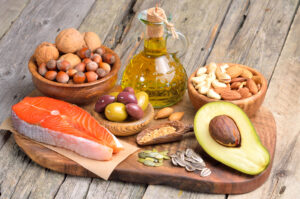
Fats should make up 20–25% of daily calories. Prioritize high quality fats in your diet
Fats to Avoid
- Trans fats (margarine, shortening, fast food)
- Highly processed oils
Fertility-Friendly Fats
Monounsaturated Fats:
- Olive oil
- Avocados
- Nuts and seeds
Polyunsaturated Fats:
- Flaxseed oil
- Walnuts
- Fatty fish
Carbohydrates: Choose Slow-release, fiber rich options
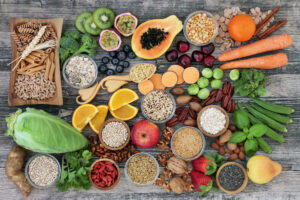
Carbs should make up 40–50% of daily intake. Avoid high-glycemic sugars and focus on whole grains, vegetables, and legumes.
Whole Grains for Fertility
Whole grains contain all three parts of the grain—bran, endosperm, and germ—supporting digestion and providing B vitamins and iron.
Best Whole Grains:
- Brown rice
- Quinoa
- Kamut
- Millet
- Teff
- Wild rice
Fertility-Friendly Vegetables & Fruits
- Leafy greens: spinach, kale, Brussels sprouts
- Root veggies: carrots, sweet potatoes, squash
- Whole fruits: berries, apples, pears
Micronutrients That Boost Fertility: The Ultimate Guide to Vitamins, Minerals & Natural Food Sources
Micronutrients—vitamins, minerals, and phytonutrients—play a critical role in reproductive health. Deficiencies in key nutrients have been linked to reduced fertility, hormonal imbalance, and increased risk of miscarriage.
Eating a colorful variety of vegetables and fruits daily—especially organic, dark leafy greens, red/orange produce, and avocados—can help ensure optimal intake of fertility-supporting micronutrients.
Essential Fertility Vitamins & Their Food Sources:
B Vitamins: Energy, Brain Development & Hormone Support
| Vitamin | Benefits | Recommended Daily Intake | Top Food Sources |
| B1 (Thiamine) | Fetal brain development | 1.4 mg | Peas, oats, pork, lentils, salmon, wheat germ |
| B2 (Riboflavin) | Eye & skin health | 25 mg | Almonds, spinach, mushrooms, milk, wild salmon |
| B3 (Niacin) | Digestion, nausea relief | 18 mg | Turkey, peanuts, tuna, sweet potatoes, brown rice |
| B5 (Pantothenic Acid) | Reduces leg cramps | 6 mg | Sunflower seeds, avocado, chicken, bananas |
| B6 (Pyridoxine) | Brain & nervous system | 25–50 mg (max 100 mg) | Garlic, chickpeas, bananas, wild salmon |
| B7 (Biotin) | Hair, skin, nails, embryo growth | 30–35 mcg | Oats, spinach, cauliflower, egg yolk |
| B9 (Folic Acid) | Prevents birth defects | 1000–1700 mcg | Lentils, spinach, asparagus, fortified cereals |
| B12 (Cobalamin) | Nervous system & placenta health | 2.6 mcg | Wild salmon, beef liver, eggs, yogurt |
Iron: Oxygen Transport & Energy Production
Iron is essential for red blood cell formation and fetal development. Women trying to conceive may need up to 30 mg/day.
- Heme Iron (Animal Sources): Beef, liver, eggs, shrimp, tuna, sardines
- Non-Heme Iron (Plant Sources): Spinach, lentils, fortified cereals, tofu
🧃 Pair non-heme iron with Vitamin C-rich foods (like oranges or bell peppers) to boost absorption.
Vitamin D: Hormone Regulation & Immune Support
Vitamin D helps regulate calcium absorption, immune function, and hormone balance. Recommended intake: 2000 IU/day.
- Natural Sources: Fatty fish (salmon, mackerel), fortified milk/yogurt, UVB sun exposure
Zinc & Selenium: Immune & Nervous System Support
| Nutrient | Benefits | Daily Intake | Food Sources |
| Zinc | Brain development, immune health | 20 mg | Oysters, beef, cashews, turkey |
| Selenium | Prevents miscarriage, supports immunity | 50–70 mcg | Brazil nuts, tuna, chicken, eggs |
Choline: Hormone Regulation & Egg Quality
Choline supports ovarian function and embryo development. Recommended intake: 450–900 mg/day.
- Sources: Eggs, salmon, soybeans, quinoa, cruciferous vegetables, cottage cheese
CoQ10 & ALCAR: Mitochondrial Energy & Antioxidant Defense
- CoQ10 (up to 600 mg/day): Found in meat, fish, nuts, dairy, strawberries
- Acetyl-L-Carnitine (1–3g/day): Found in beef, chicken, milk, avocado
These antioxidants protect eggs and sperm from DNA damage and improve energy production.
L-Arginine: Blood Flow & Implantation Support
L-Arginine improves circulation to reproductive organs and supports embryo implantation. Recommended: 500 mg/day
- Sources: Peanuts, pumpkin seeds, chickpeas, salmon, yogurt
Vitamin E: Antioxidant Power & Pregnancy Support
Vitamin E helps prevent oxidative damage and supports endometrial health. Dosage: 15–30 mg/day
- Sources: Wheat germ oil, sunflower seeds, almonds, spinach, mangoes
Omega-3 Fatty Acids: Hormone Balance & Implantation
Omega-3s reduce inflammation, improve ovulation, and enhance blood flow to the uterus. Recommended: 2000 mg/day
- Sources: Salmon, sardines, chia seeds, flaxseed oil, walnuts, leafy greens
At Yarrow Holistic Center in West Lafayette, Indiana, we specialize in natural fertility solutions through acupuncture, herbal medicine, and functional nutrition. Our holistic approach is tailored to support individuals experiencing infertility related to:
- PCOS (Polycystic Ovary Syndrome)
- Endometriosis
- Unexplained infertility
- Ovulatory dysfunction
Whether you’re just beginning your fertility journey or seeking complementary care, our experienced practitioner is here to help you optimize your reproductive health.
We offer:
- In-person acupuncture treatments for fertility enhancement
- Herbal medicine consultations (available in-person and via telehealth)
- Functional nutrition guidance (available in person and via telehealth) to support hormonal balance and reproductive wellness
Our goal is to provide personalized, integrative care that addresses the root causes of infertility and empowers you with natural tools to support conception.
Contact us today to schedule your fertility consultation and take the next step toward growing your family.