Insomnia is a common sleep disorder. With insomnia, you may have trouble falling asleep, staying asleep, or getting good quality sleep. This happens even if you have the time and the right environment to sleep well. Insomnia can get in the way of your daily activities and may make you feel sleepy during the day.
Short-term insomnia may be caused by stress or changes in your schedule or environment. It can last for a few days or weeks. Chronic (long-term) insomnia occurs 3 or more nights a week, lasts more than 3 months, and cannot be fully explained by another health problem.
Common causes of Insomnia:
- Sleeping with a snorer, loud breather, or partner who tosses and turns
- Shift work, long hours
- Depression/anxiety
- Medication side effects
- Alcohol or other substance abuse
- Chronic pain
- Restless leg syndrome
- Urinary frequency
- Sleep apnea
- Acid Reflux
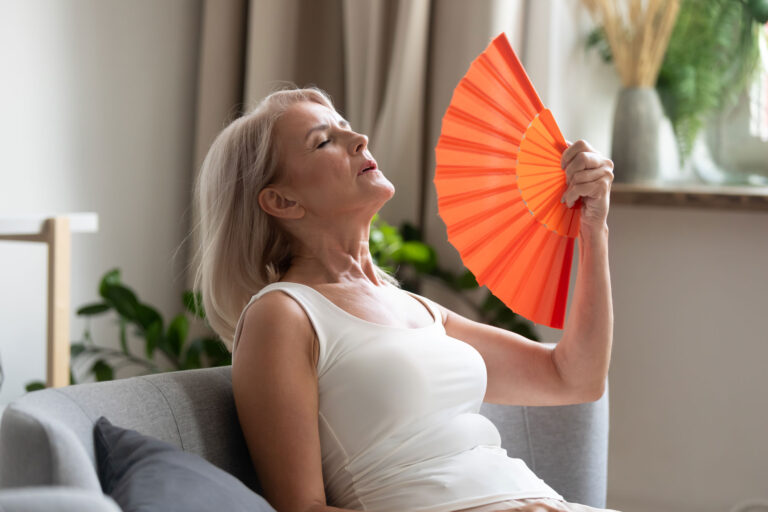
- Hot flashes/night sweats
Chronic Insomnia can have severe consequences on general health. The studies suggest that sleep loss (less than 7 hours per night) may have wide-ranging effects on the cardiovascular, endocrine, immune, and nervous systems, including the following:
- Obesity in adults and children
- Diabetes and impaired glucose tolerance
- Cardiovascular disease and hypertension
- Anxiety symptoms
- Depressed mood
- Alcohol use
Sleep and women’s health:
Insomnia and Menstrual cycle
- Follicular phase: from day one of period till ovulation time. During the follicular phase, follicle-stimulating hormone and luteinizing hormone (LH) are released from the anterior pituitary and act on the ovaries to initiate development of several primary follicles, which produce estrogens, principally estradiol. Estrogen and progesterone receptors are widely distributed throughout the central nervous system (CNS), including the basal forebrain, hypothalamus, dorsal raphe nucleus, and locus coeruleus, these areas in the brain are sensitive to estrogen and due to increase level of estrogen during follicular phase, patient reports better sleep.
- Luteal phase: post ovulation phase, women can experience fatigue due to drop of estrogen. During this phase progesterone is the dominant hormone, it has a sedative effect that can increase feelings of tiredness, while its metabolite, allopregnanolone, can be linked to sleep disturbances and anxiety.
Studies have suggested menstrual irregularities ( a changes in length of menstrual phases) and dysmenorrhea (period pain) may contribute to insomnia. On the other hand, a longer sleep duration and better sleep quality is associated with a lower prevalence of menstrual cycle irregularity.
Insomnia during pregnancy
Many pregnant women experience insomnia and poor sleep quality due to:
- Nausea: usually in the first trimester
- Anxiety: anxiety about have babies or/and other life matters can cause elevated cortisol level at night leading to insomnia
- Hormonal fluctuations:
- during pregnancy both estrogen and progesterone level increase, studies have shown these hormonal fluctuations decreases REM sleep in the last trimester of pregnancy.
- Oxytocin has been shown to peak at night in pregnancy coinciding with the onset of uterine contractions which may lead to sleep disruption.
- Prolactin levels are highest at night, in late pregnancy the level of prolactin increases promoting better REM and NREM sleep; however, this elevated level can also increase day time sleepiness.
- Restless leg syndrome: affects about 20% of all pregnant women, symptoms are usually moderate to severe in intensity during pregnancy and can result in insomnia, depression, and other adverse outcomes
- Sleep disordered breathing: anatomical changes in the upper airway during pregnancy, an increase in nasal mucosal production due to elevated estrogen level causing nocturnal congestion and night time snoring.
- Increase urination at night time
- Heartburn: affects 80% of pregnant women caused by relaxation of esophageal sphincter
- Physical discomfort: back pain due
Insomnia during menopause
- Hormonal changes: during menopause there is a sharp drop of both estrogen and progesterone levels which can negatively impact sleep by reducing REM sleep (due to low estrogen level) and low levels of progesterone can lead to increased level of anxiety and insomnia.
- Anxiety: Progesterone can increase the production of the neurotransmitter gamma-aminobutyric acid (GABA), which has calming effects on the brain. During menopause there is a sharp drop in progesterone which reduces GABA production and increases anxiety level leading to insomnia
- Restless leg syndrome: is a dopamine dependent disorder (low level of dopamine in basal ganglia can result in an increase in neural activity). Estrogen increases dopamine production, during menopause low level of estrogen leads to lower production of dopamine.
- Night sweats: estrogen regulates body temperature, during menopause low levels of estrogen can disrupt this process causing vasomotor symptoms such as night sweats which can disrupt sleep.
Insomnia and Fertility
Sleep modulates hormonal activities, many of these hormones have a direct or indirect impact in follicular growth, ovulation, implantation and overall fertility outcome. Sleep can directly or indirectly modulate the secretion and function of these hormones:
Thyroid Stimulating Hormone (TSH)
Elevated TSH can cause anovulation, recurrent miscarriages, amenorrhea and menstrual irregularities. High TSH can increase prolactin level which can lead to anovulation and infertility. Studies have shown women with High TSH level have lower egg quality and quantity (lower AMH level and lower viable eggs, live birth and higher pregnancy loss). Studies have shown that acute sleep deprivation and insomnia can significantly increase TSH levels; therefore having a negative impact in fertility outcome.
Luteinizing hormone (LH)
LH is released from pituitary gland in pulsatile manner, and increase in amplitude and frequency of LH pulse triggers ovulation. Premature LH surge or consistent elevated LH can interfere with reproduction. There is evidence that sleep have a noticeable modulatory role in early follicular phase on LH pulse. Sleep decreases LH pulse in early follicular stage, and awakenings are related to increased LH pulse amplitude. Lack of sleep during this time can cause ovulatory problems.
Follicular Stimulating Hormone (FSH)
Abnormally low FSH levels may indicate hypothalamic or pituitary dysfunction in the setting of irregular cycles or amenorrhea. Alternatively, low follicular phase FSH levels may indicate luteal phase dysfunction, which most commonly presents as short luteal phase. One study showed the FSH level were 22% lower in women with shorter sleep duration compare to women with longer sleep duration (more than 8 hours).
Prolactin
hyperprolactinemia is associated with anovulation and PCOS, and endometriosis. Prolactin surges upon sleep onset and is maximal throughout the night. PRL is inhibited by transient awakening and is profoundly suppressed by sleep deprivation . The available evidence suggests that higher prolactin levels in follicular fluid are associated with increased oocytes competence, but also with positive effects on corpus luteum formation and survival, endometrial receptivity, blastocyst implantation potential and survival of low-motile sperm. It can be theorized long term insomnia may lead to a drop of prolactin levels in follicular fluid leading to fertility problems.
Testosterone
Testosterone is a follicular regulator and plays an important role in picking the growth of dominant follicle. A study showed a decreased level of testosterone in women with sleep deprivation.
Estradiol
Estradiol is secreted by the granulosa cells in the ovarian follicles and regulates FSH and LH, playing a critical role in ovulation. When estrogen does not rise and fall appropriately, FSH and LH may not be able to stimulate ovulation. Estradiol has been shown to increase during partial sleep deprivation in women of reproductive age. Higher level of estradiol also has been linked to poorer sleep quality. Elevated estrogen level can lead to irregular cycles, contribute to estrogen dominant disorders such PCOS endometriosis, and uterine fibroids, it can also negatively impact IVF outcome.
Progesterone
Progesterone is related to luteal function and is necessary for implantation and maintenance of pregnancy. Abnormally low levels of progesterone may be an index of luteal phase dysfunction. In a prospective study of 259 regularly menstruating women, for every hour increase in daily sleep duration, mean luteal phase progesterone levels increased by 9.4%.
Glucocorticoids
Glucocorticoids may regulate sleep directly via corticosteroid receptors in the brain, sustained stress increases cortisol levels and may induce sleep disorders, including impaired sleep quality and shortened sleep duration. Glucocorticoids indirectly affect ovarian function by altering levels of gonadotropins, metabolic hormones, and growth factor.
Sleep and Immunity
There is evidence that inflammatory markers such as TNF and IL6 are elevated during sleep loss. Some women with infertility and habitual miscarriage have shown to have elevated inflammatory cytokines.
Melatonin
Melatonin is primarily produced in the pineal gland. It plays a key role in synchronizing the circadian sleep pattern and possesses multifunctional bioactivities, including anti-oxidative, anti-inflammatory, anti-apoptotic, endocrinologic, and behavioral.
Studies confirm that melatonin is also produced in the peripheral reproductive system (granulosa and placental cells) and acts as a modulator of ovarian and uterine function Through melatonin receptor-mediated actions at the level of granulosa-luteal cells, melatonin regulates progesterone production, GnRH secretion, and LH and GnRH receptor gene expression. Altered sleep patterns deregulate the endogenous secretion of melatonin and may impair reproductive health.
Premature Ovarian insufficiently (POI)
Insulin Resistance
In a systematic review suggests a significant association between sleep deprivation and insulin resistance. Several possible mechanisms that may link this association were also studied. There seems to be a significant implication of inflammatory markers such as CRP and SAA in the causal relationship between sleep loss and glucose intolerance.
Treatments for Insomnia
- Sleep rhythm: Wake and sleep at same time each day, ideally up close to sunrise, and go to sleep at a time that allows for 7-9 hours of sleep.
- Natural Light: A study at the University of Illinois at Urbana-Champaign found that people exposed to natural light at work slept better and longer.
- Turn off e-readers and other screens 2 hours before bed, or dim the device and hold 14 inches from face
- Dietary changes – remove caffeine, alcohol, avoid too high/low carb
- Meditation/yoga/tai chi

Acupuncture and Insomnia
From the point of view of Chinese Medicine, sleep problems are mostly related to dysfunction of the Heart, Spleen, Stomach, Liver and Kidneys. Blood is made from food essence and controlled by the Spleen to produce essence which will be stored in the kidneys. Poor diet, irregular eating habits, stress and hormonal fluctuations which affects the yin, yang, qi and blood causes insomnia.
Acupuncture can relieve insomnia symptoms; although the mechanism of action is not fully understood, studies have shown patients receiving regular acupuncture have a reduction of symptoms within two months of treatments. Acupuncture can:
- Improve sleep quality: increased in sleep time, sleep efficiency and lower awakenings
- Reduce waking in the night and improve sleep quality
- Increase total sleep time: acupuncture was significantly associated with improvements in several objective sleep parameters (increases in total sleep time and sleep efficiency, and reductions in wake after sleep onset and number of awakening times) as well as subjective sleep quantity and quality in patients with Primary Insomnia
- Decrease Anxiety and Stress: One study assessed the use of Acupuncture for Anxiety in women undergoing IVF treatment which showed patients who received acupuncture experienced less anxiety compare to the control group (who did not receive acupuncture).
- Alleviate pain: A 2018 review analyzing 12 studies (8,003 participants) concluded that acupuncture was more effective than no treatment for back and neck pain. Its pain-relieving effect was comparable to nonsteroidal anti-inflammatory drugs (NSAIDs), offering a natural alternative for pain management.
- Reduce restless legs syndrome: Patients receiving acupuncture had better sleep quality, less pain and less incident of restless leg syndrome.
- Acupuncture increases nocturnal melatonin secretion and reduces insomnia and anxiety

Nutraceuticals and Botanicals for Insomnia
Only take supplements and herbs after consulting a specialist and purchase from reputable companies or directly from your provider.
- Melatonin: studies have shown mixed results, with some reported improvement in sleep and quality of life outcomes with melatonin, and some studies reported no difference between patients who received melatonin and those who received placebo.
- L-theanine: In a systematic review, L-theanine was shown to significantly improve subjective sleep onset latency and overall subjective sleep quality score.
- Magnesium: Studies have shown Magnesium supplementation may be an effective nonpharmacological intervention to promote sleep and mood
- Tryptophan: is the precursor of serotonin and melatonin which influence sleep architecture and regulate the circadian rhythm, respectively. Tryptophan has been shown to decrease sleep latency, increase total sleep time, reduce waking time and number of awakenings
- Chamomile: Active compound apigenin, binds to GABA receptors in the brain, which have calming and sedative effects. This may help to reduce anxiety and promote sleep.
- Valerian: Increases GABA which has a calming/relaxing effect. Studies have shown Valerian extract improve sleep quality.
- Ashwagandha: lowers cortisol level, increase GABA. Studies have shown that it improves sleep quality, reduced sleep onset latency, and increased sleep efficiency.
- California Poppy: works on GABA receptors and have a sedative effect
Chinese Herbal Medicine for Insomnia
Chinese herbal medicine (CHM), originating from ancient China, has been used to treat insomnia for >2000 years in China. Preclinical studies have shown that some Chinese herbal formulae or single herbal ingredients have sedative–hypnotic functions, which is mediated by the gamma-aminobutyric acid-ergic (GABAergic) system.
A large review study, the effectiveness of Chinese herbal medicine for treatment of Insomnia was measured. This review included seventy-nine RCTs (randomized control trials) with 7886 participants and measured the effectiveness of 66 different herbal formula. This systematic review and meta-analysis showed that CHM (Chinese Herbal Medicine) was superior to placebo and BZDs (benzodiazepine) when used as a monotherapy and was superior to BZDs and psychotherapy alone as an adjunct therapy in terms of subjective sleep quality and quantity and safety.
At Yarrow Holistic Center, we specialize in women’s health, natural fertility support, and holistic wellness. Located in West Lafayette, Indiana, our integrative clinic offers personalized care for women seeking natural solutions to hormonal balance, reproductive health, and chronic conditions like insomnia.
Our Services Include:
- Acupuncture for fertility, stress relief, and hormone regulation
- Functional Nutrition counseling to optimize diet and support overall wellness
- Nutraceuticals & Herbal Medicine for sleep disorders, hormonal health, and immune support
Telehealth Services Available in Indiana & California We offer virtual consultations for Herbal Medicine and Functional Nutrition, making it easy for patients across Indiana and California to access expert holistic care from the comfort of home.
Whether you’re navigating infertility, struggling with sleep, or seeking a natural approach to women’s health, Yarrow Holistic Center is here to support your journey with compassionate, evidence-informed care.
Serving West Lafayette, Lafayette, and surrounding areas in Indiana
Schedule your appointment today and take the first step toward vibrant health.